RAMS Digital
Sensor Stack
Who’s driving, how fast, what it hit, where it is, what’s on the forks — and how the battery is holding up.
Four units.
Six senses.
Each one answers a single question, and each one can be bought on its own. Together they tell you everything that happened on a shift.
One LiDAR layer.
Three answers.
The truck sees the space around it in 3D — and from that picture knows its speed, its place, and the moment it hits something.
Know every truck.
Every shift.
RAMS Digital
Sensor Stack
Who’s driving, how fast, what it hit, where it is, what’s on the forks — and how the battery is holding up.
Operator Location Speed Impact Load Battery
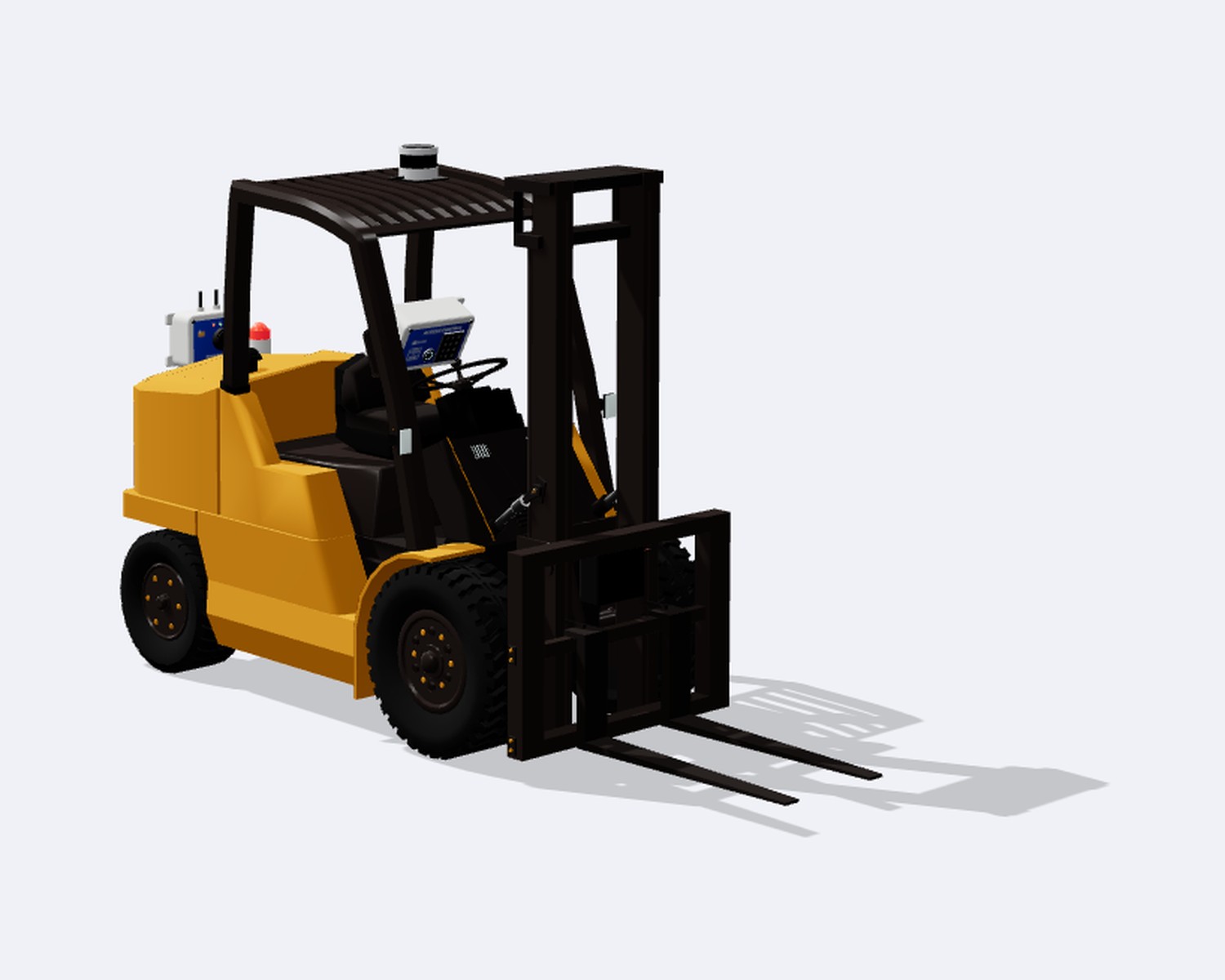
A forklift knows nothing about itself.
Who drove it, what it hit, how fast it went and whether the battery will last the shift — today those answers come from key logs, walk-rounds, radios and guesswork, days after they mattered.
Anyone can drive it
A key on a hook doesn’t know who’s trained. The truck starts for whoever turns it.
Card, PIN or fingerprint before it starts.
Damage is found days later
A bent upright or a scraped door turns up on a walk-round, with no idea when, how or who.
Every impact logged the moment it happens.
Speed is a feeling
“Too fast by the dock” is a complaint, not data — and one limit for the whole site fits nowhere.
Limits per zone, checked against where the truck is.
Trucks go missing
Finding a truck, a load or a battery that’s about to fail still means walking the floor.
Live position, load state and battery health for every truck.
Distance is not work
Two trucks can cover the same ground in a shift and do completely different amounts of useful work. Travel time on its own never says which was which.
Load state separates the loaded runs from the empty ones.
The battery surprises you
A truck that is available but cannot finish the shift was never really available. Battery trouble usually shows up once productivity has already gone.
Charge, cycle and health tracked as a planning number, not a maintenance one.
A forklift that knows itself is a forklift you can manage.
Six sensors.
One truck that knows itself.
Fit what the site needs. Each sensor answers one question; the LiDAR answers three.
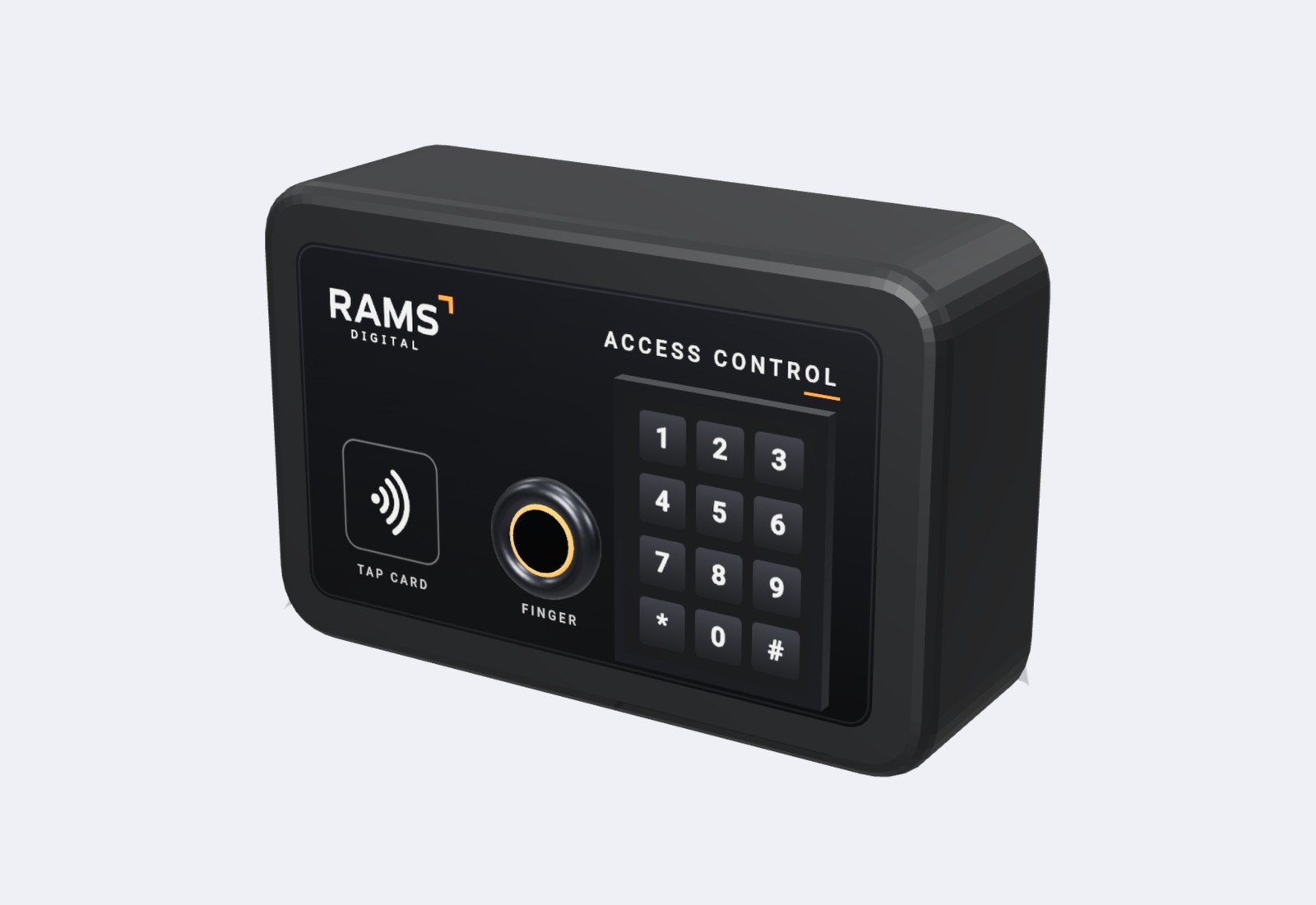
MHE and area access
Access Control
Only the right people drive.RFID card, PIN or fingerprint before the truck will start.
- Card, 4-digit PIN or fingerprint
- Switches the truck’s key circuit
- Enrol, import and export operators
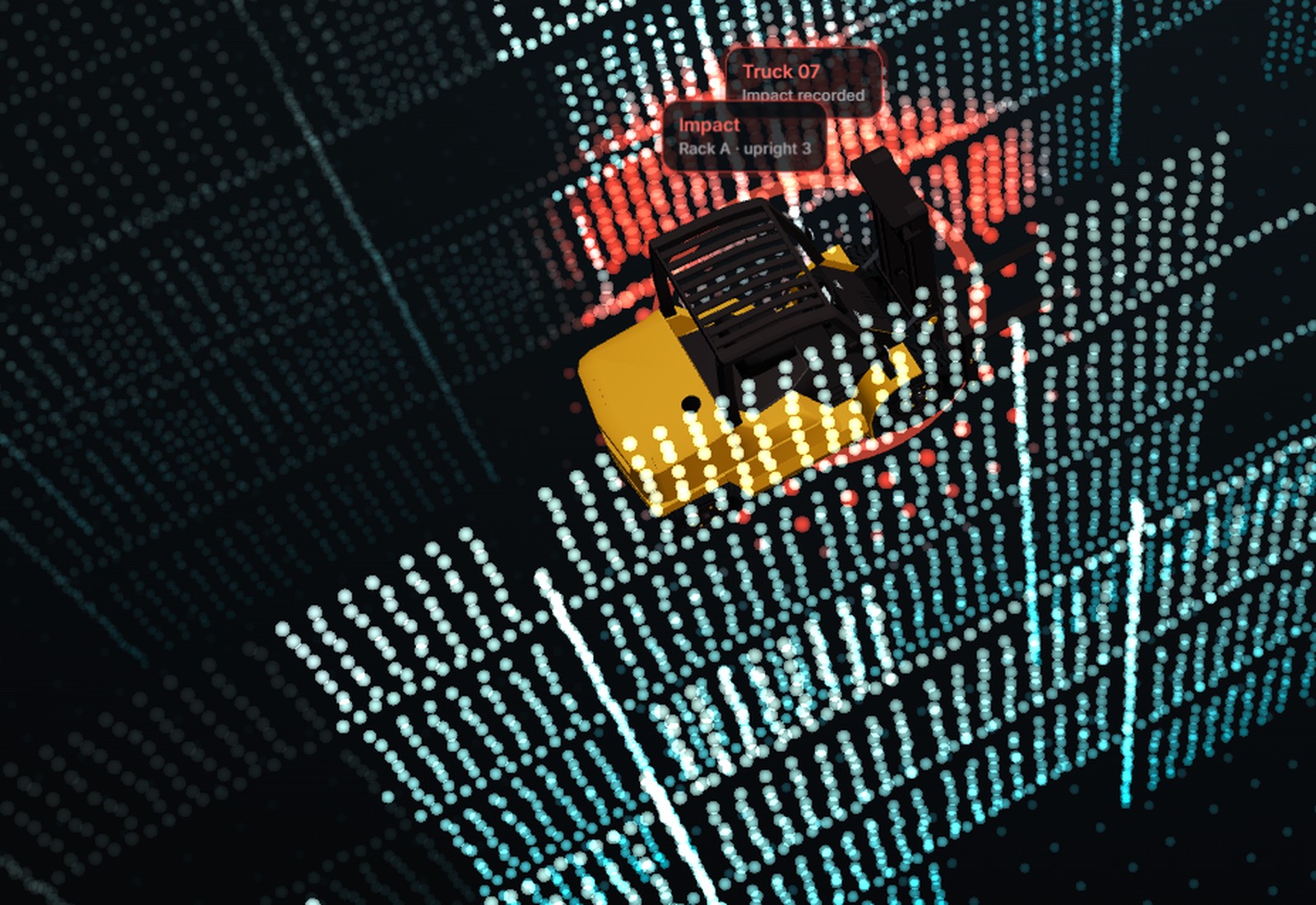
Impact detection
Crash Monitoring
Every knock, on record.The moment it happens, with what was hit and where.
- Impact logged as it happens
- The place, from the LiDAR picture
- Tied to the operator who logged in
Through LiDAR
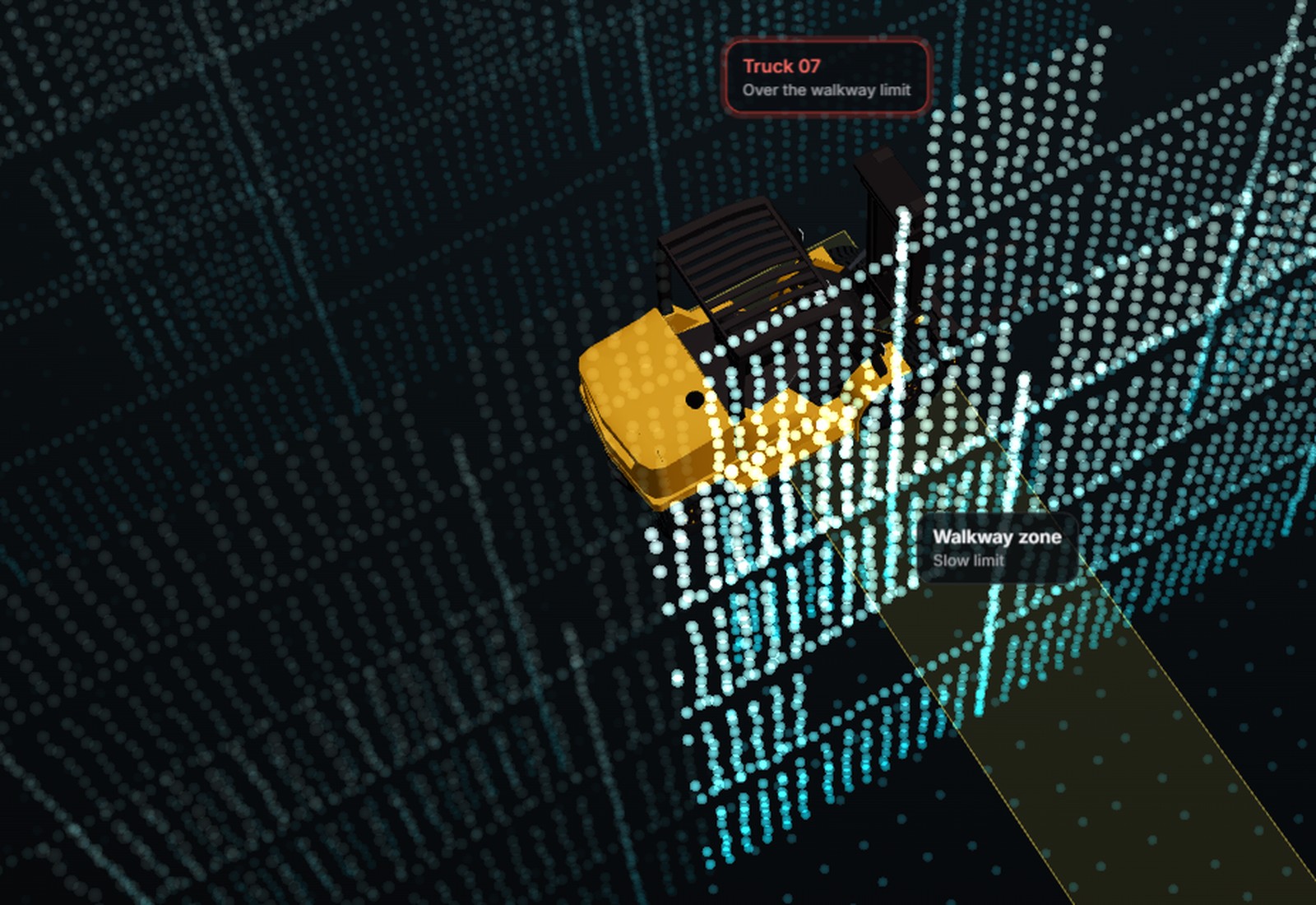
Zone-based limits
Speed Monitoring
Slower where it matters.A limit for each zone — aisles, docks, walkways.
- Different limits for different zones
- Knows which zone the truck is in
- Every overspeed logged with the place
Through LiDAR
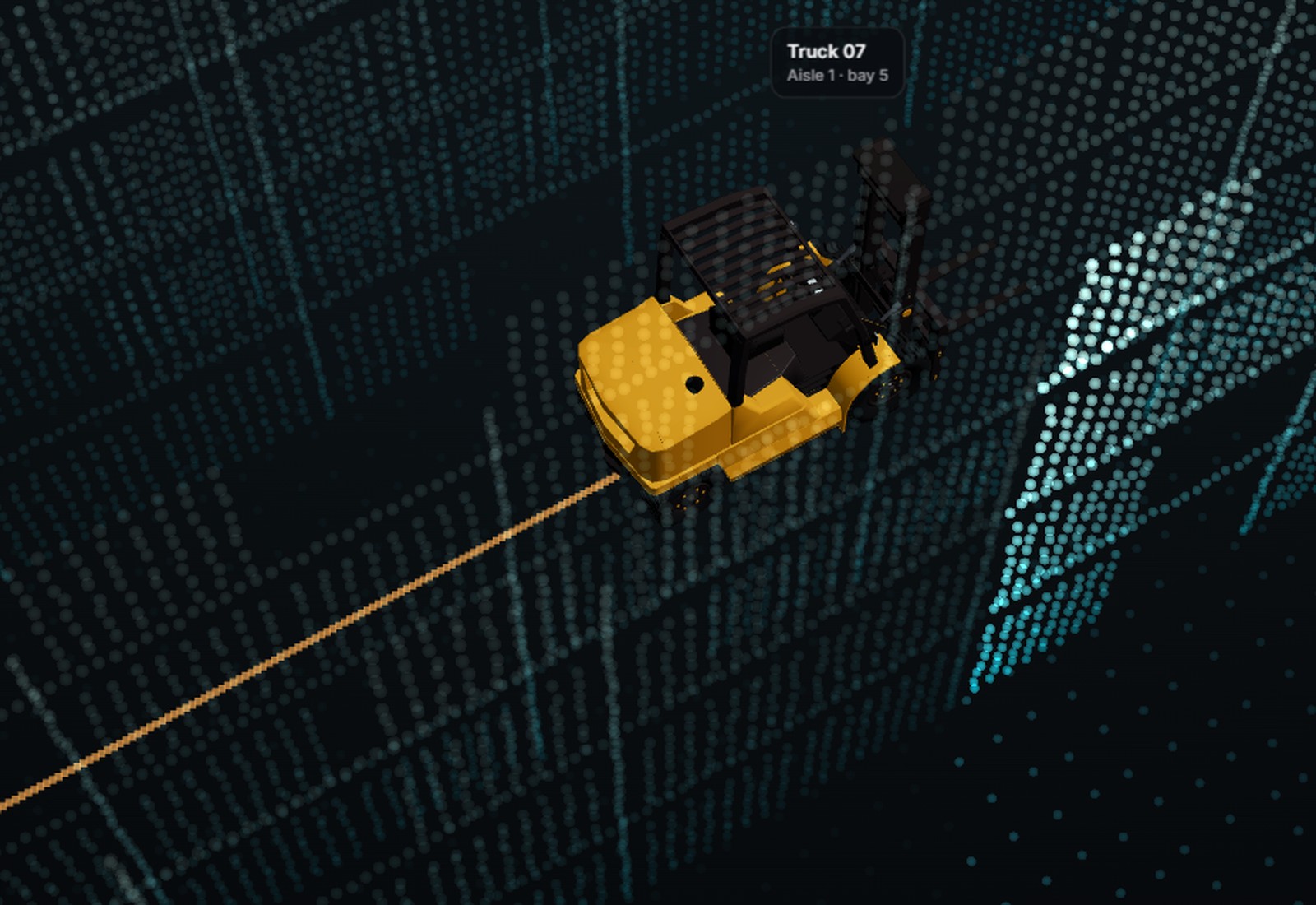
Real-time asset location
Location Monitoring
Every truck, on the map.Positioned live against your floor plan.
- Live position of every truck
- A trail of where it’s been
- Nothing to fit to walls or racking
Through LiDAR
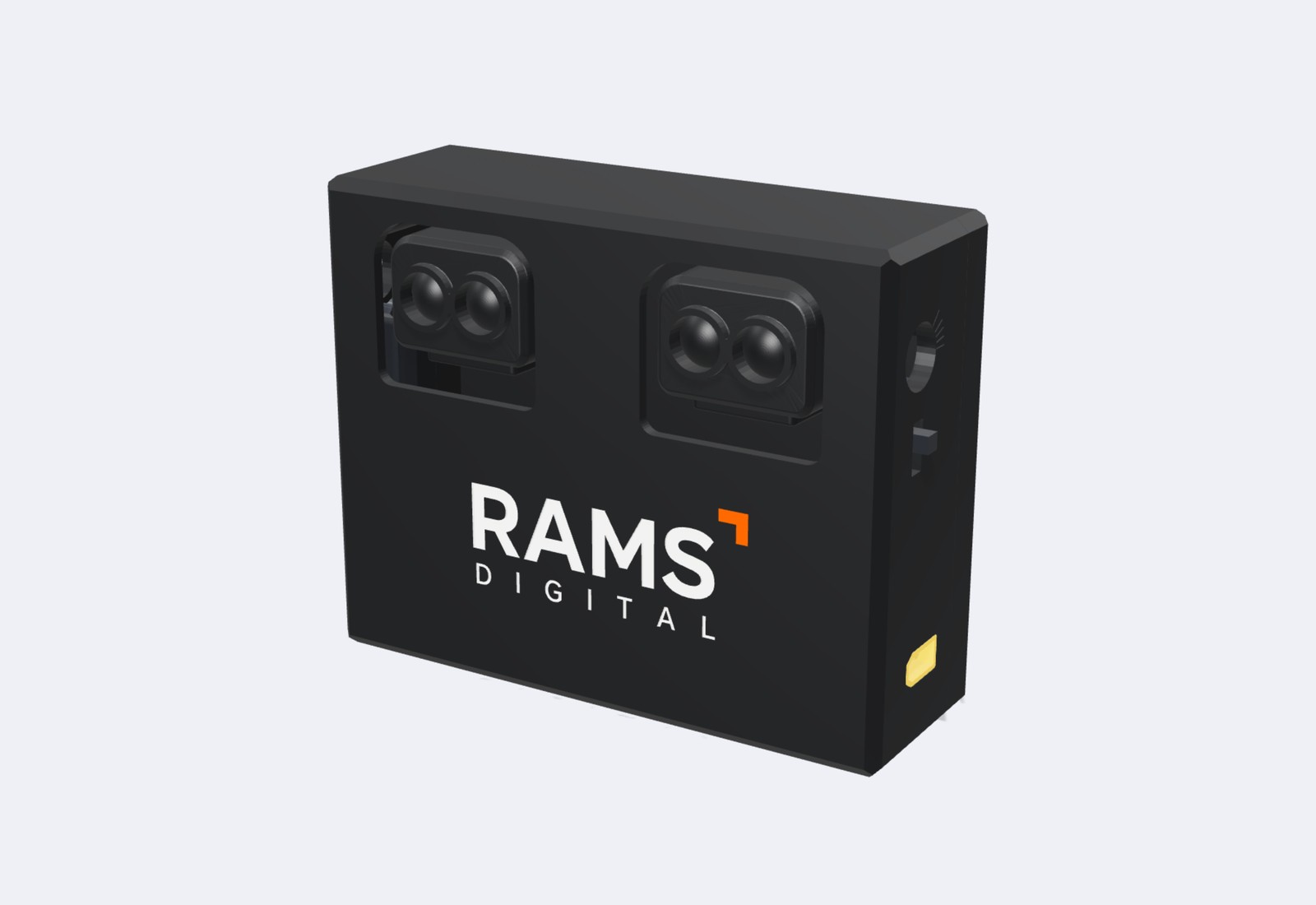
Automated pallet sensing
Pallet Detection
Knows what’s on the forks.Two sensing heads tell a loaded lift from an empty one.
- Pallet on or off, every lift
- Picks and drops counted for you
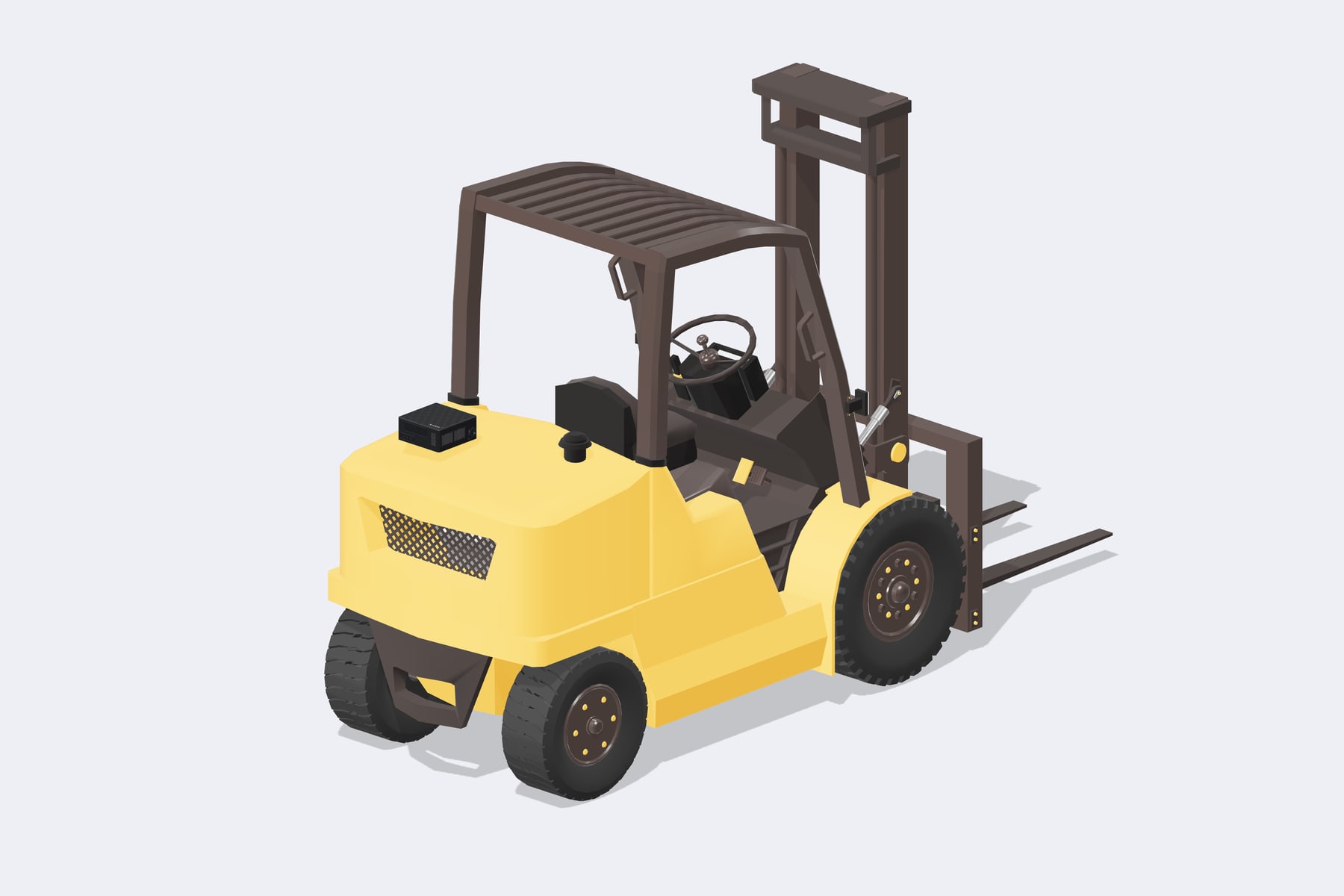
- A small box on the carriage
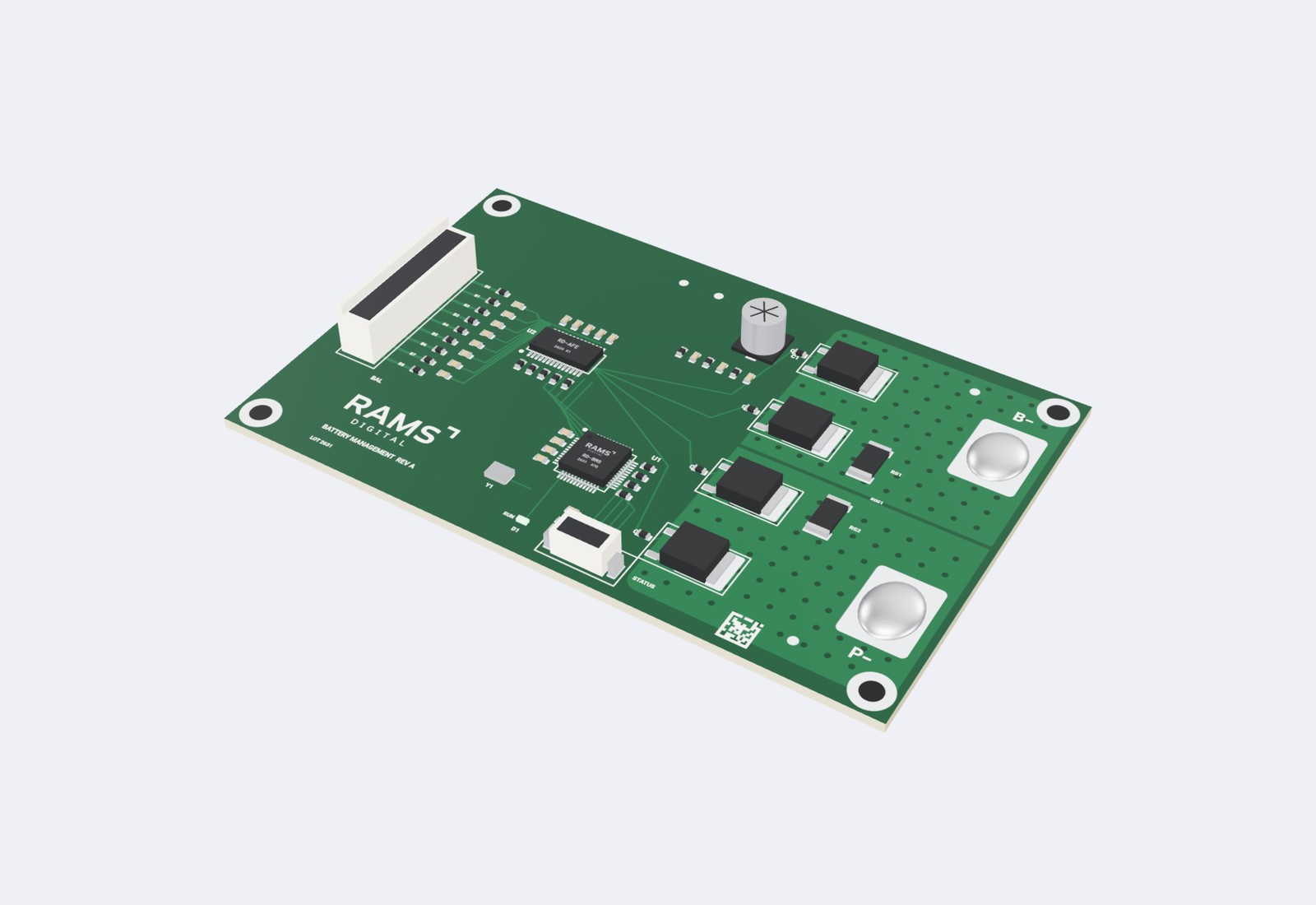
Health and charge cycles
Battery Management
No battery surprises.Charge, health and cycles for every truck.
- Charge level through the shift
- Every charge cycle counted
- Health trend before it fails
One LiDAR layer.
Three answers.
The LiDAR sees the space around the truck in 3D, many times a second. From that one picture the truck knows where it is, how fast it’s going — and the moment it touches something it shouldn’t.
Every truck’s position, speed and impacts still land in the RAMS Digital Twin.
Positioning performance depends on the building, the layout, where the sensors sit and how the system is commissioned. It is validated on your site rather than quoted from a datasheet.
Card, PIN or finger.
Then it starts.
The unit sits in the truck’s key circuit. Until an enrolled operator identifies themselves, turning the key does nothing. Try it.

ACCESS CONTROL
- 1IdentifyA card, a PIN or a finger.
- 2AuthenticateChecked against the enrolled operators.
- 3AuthoriseOnly a match closes the key circuit.
Operators are enrolled, viewed, imported and exported from a phone or laptop over the unit’s own Wi-Fi — no site network or internet needed. Pre-drilled mounting holes and a power switch on the side.
Loaded or empty.
Every lift.
A small box on the fork carriage looks forward and down over the forks with two sensing heads. From how far its beams travel, it knows whether the forks are empty, carrying an empty pallet, or carrying a loaded one — and so does everything the truck records.
Every event knows the load.
- Picks and drops counted, per truck and per operator
- Empty travel and loaded travel told apart
- An impact with a load on reads differently from one without
Health and charge,
for every truck.
A battery management chip at the truck’s battery follows its charge through the shift, counts its charge cycles and tracks its health — so a failing battery shows up in the data before it shows up on the floor.
Followed down through the shift, so a low battery is seen before the truck stops.
A trend over months, not a surprise on a Monday morning.
How hard each battery works, truck by truck — and when to plan a replacement.
Illustration. Readings shown without figures.
Meet the hardware.
Pick a sensor to see it up close. Drag to turn it around.
Access Control
A sealed black enclosure with an RFID reader, a fingerprint sensor and a 12-key keypad on its glass face, and a power switch on the side.
What each sensor answers.
| Sensor | The question | Where it sits | How it knows |
|---|---|---|---|
| Access Control | Is this person allowed to drive? | By the driver | RFID card, PIN keypad, fingerprint |
| Crash Monitoring | What did it hit, and where? | High on the truck | LiDAR |
| Speed Monitoring | Too fast for this zone? | High on the truck | LiDAR |
| Location Monitoring | Where is every truck? | High on the truck | LiDAR |
| Pallet Detection | Loaded or empty? | On the fork carriage | Two sensing heads |
| Battery Management | Charge, health and cycles? | At the battery | Battery management chip |
Wherever trucks
and people share the floor.
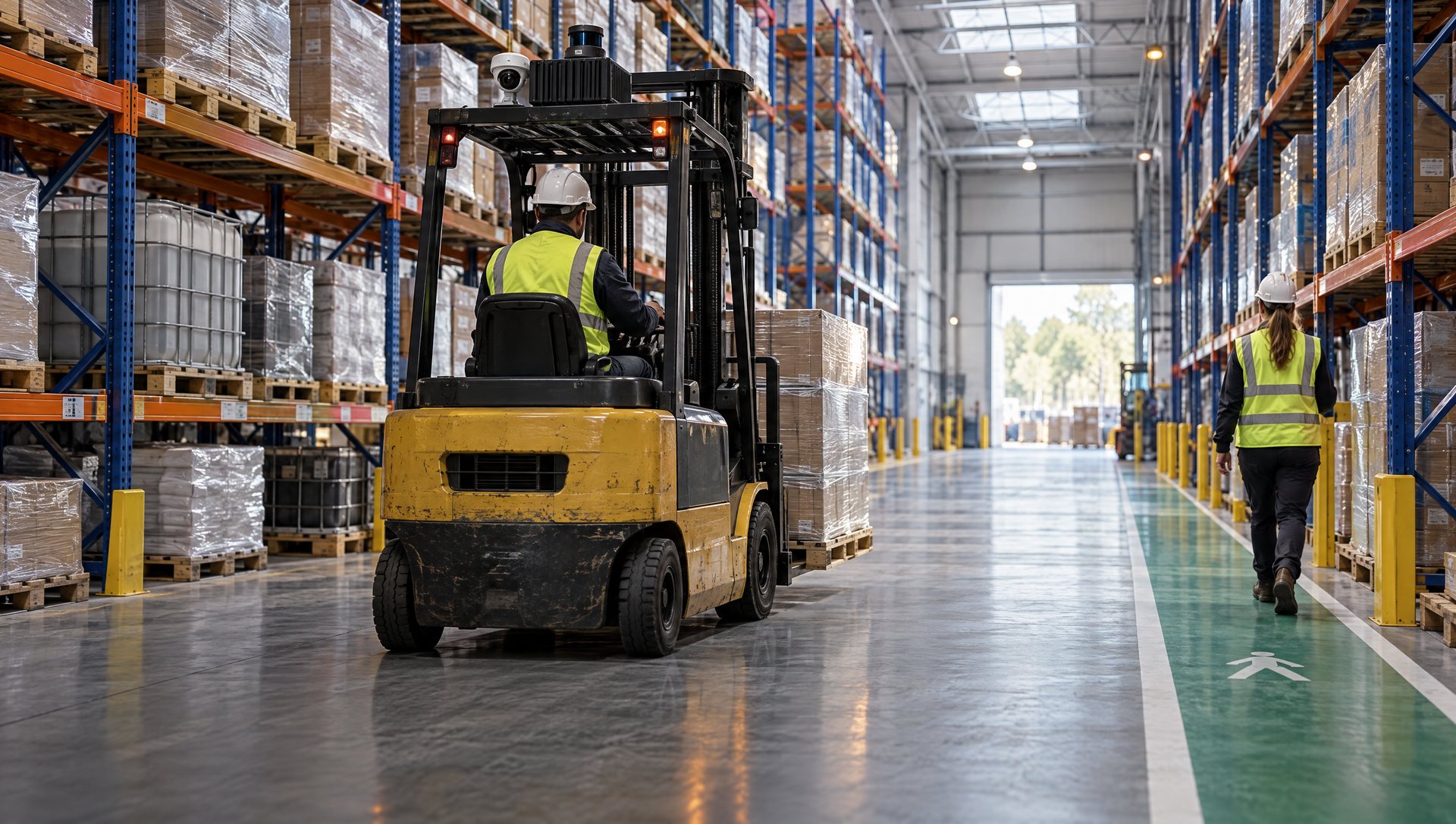
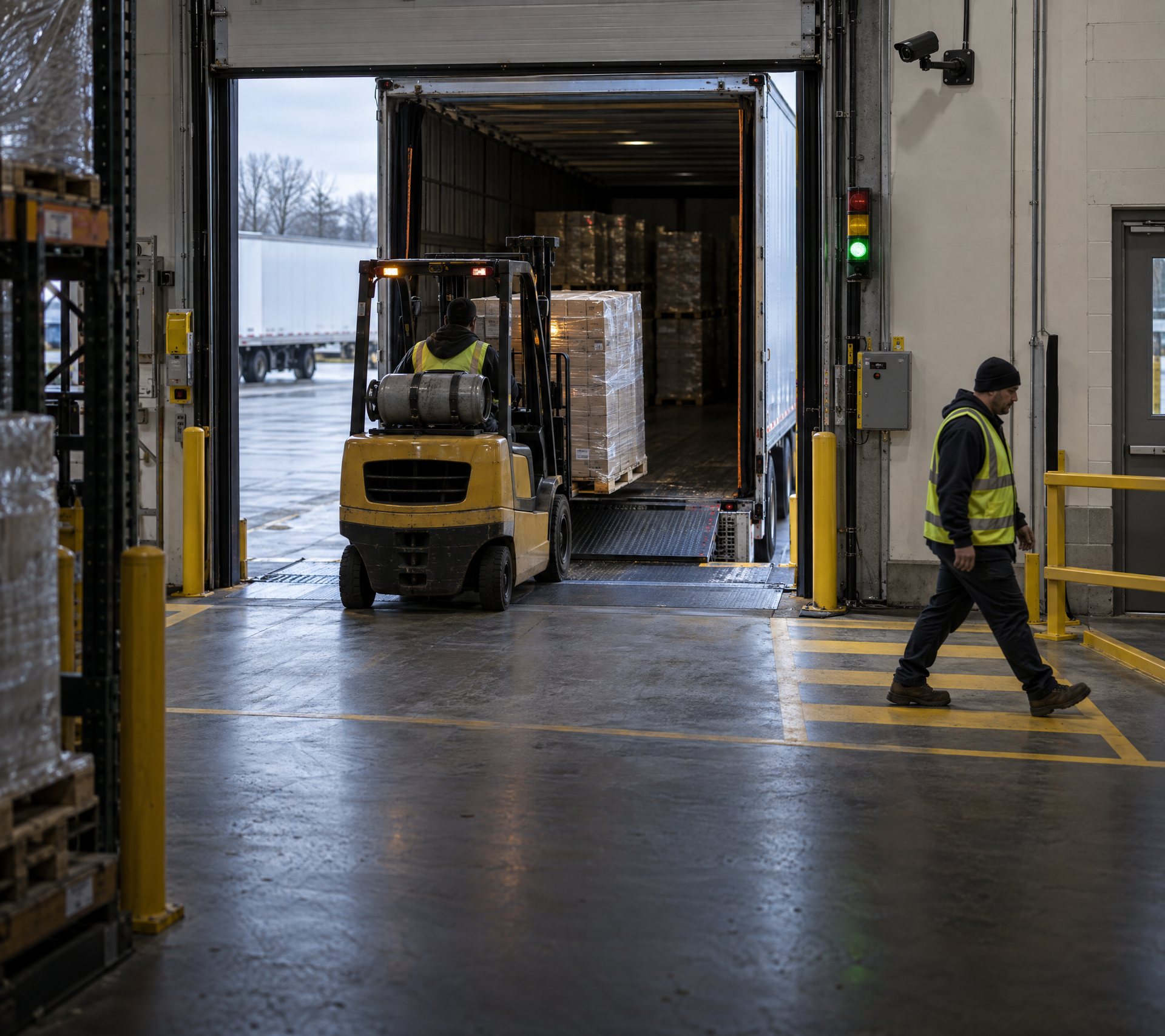
Warehouse fleets
Every truck identified, located and accounted for, shift after shift.
Docks & walkways
Slower where people cross, and a record of who crossed when.
Wired into one box on the truck
Know who had the truck, what happened while they had it, and whether its battery will last the next shift — all from one box.
Part of a
bigger picture.
Every sensor, into one box.
LiDAR, access control, pallet sensing and the rest plug into OmniBox Motion on the truck, which powers them, decides on the spot, and keeps the record.
Explore OmniBoxThe same LiDAR, the whole site.
Positioning for every truck, and the other ways RAMS locates things indoors.
See positioningEvery truck, every event, on one live picture.
Who drove, where they went, how fast, what they hit, what they carried and how the battery held up — ready for the safety review and the fleet meeting.
Add the AI CameraFrequently asked questions.
Usually, yes. Access Control wires into the truck’s key circuit and senses key-on anywhere from 12 to 80 V, so it suits a wide range of electric and engine trucks. The other sensors mount on the truck itself. We survey your fleet before anything is ordered.
Which question would you answer first?
Who’s driving, what they hit, how fast they go, where the trucks are, what’s on the forks or how the batteries are doing. Tell us, and we’ll fit the sensors that answer it.