The model becomes outdated
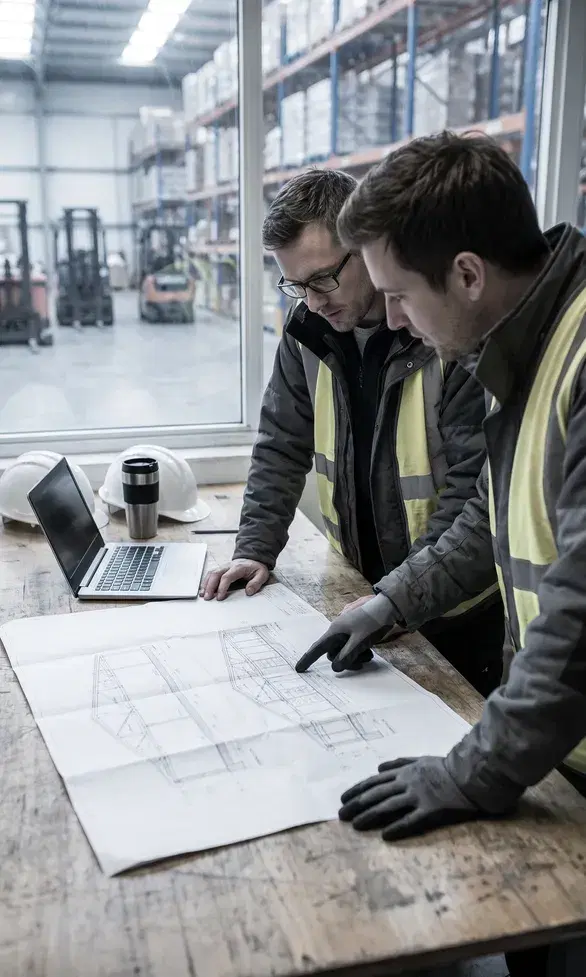
Drawings and layouts rarely preserve every change made after installation.
Introducing RAMS AI Vision — Intelligent Warehouse Perception
Engineering, field reality and live data, brought into one operating system — so the condition of a rack, the movement of a machine and the risk in an aisle are current, comparable and acted on.
From physical assets to a living operational system.
Trusted on the warehouse floor














Why RAMS exists
Facilities are managed through disconnected drawings, inspections, sensors, spreadsheets, systems and personal knowledge.
Drawings and layouts rarely preserve every change made after installation.
Condition, movement, maintenance and documents separate from the physical asset.
WMS, ERP, sensors and reports each see part of the operation — not the whole context.
By the time information moves through calls, reports and presentations, reality may have changed.
Our story
RAMS did not begin with a generic dashboard. It grew from hands-on engineering and inspection work, where physical assets, operational risks and corrective actions were still managed through static records.
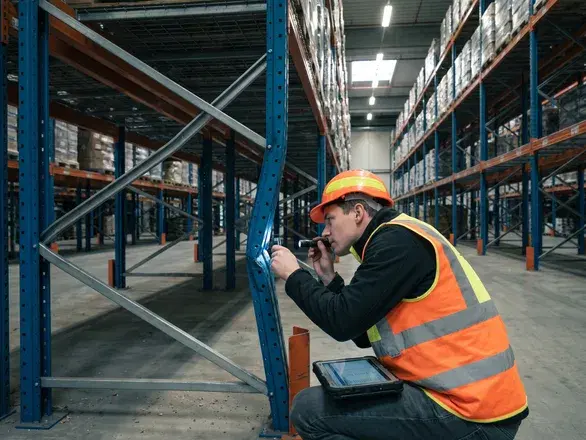
Engineering assessments and warehouse inspections revealed how quickly asset condition and operating reality separate from drawings and reports.
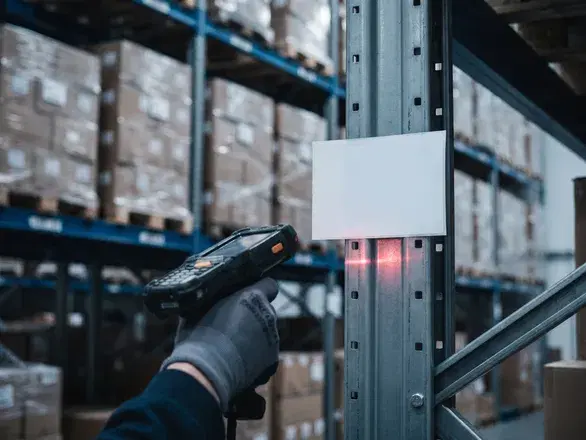
Facilities and physical assets became digitally structured, tagged and connected to inspection, action and lifecycle records.
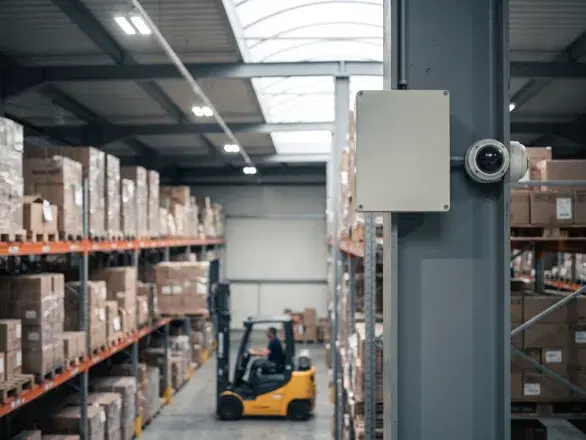
Sensor, MHE, inventory, safety and enterprise data added a live layer to the physical context.
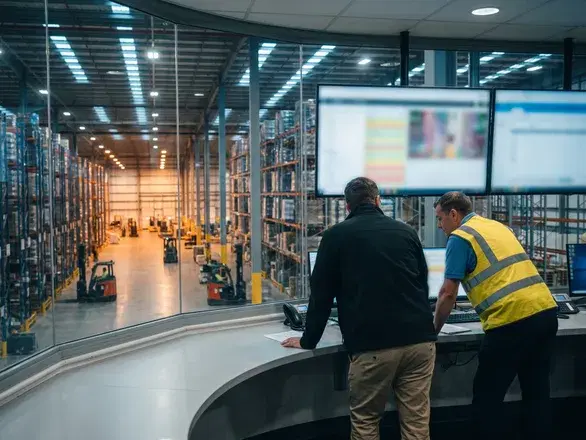
RAMS evolved into a platform where operational applications and customer-specific workflows run against the same Digital Twin foundation.
What we built
RAMS Digital creates a persistent connection between the facility, its assets, their lifecycle and the work happening around them.
People, assets, machines, inventory, infrastructure
The building and everything working in it. Every other layer here is an abstraction of this one, and is only worth anything while it still matches.
Coverage depends on the hardware and the site
LiDAR, sensors, cameras, machines and supported customer hardware, reporting position, condition and event as they happen rather than at the end of a shift.
The layer everything above it stands on
Physical context, asset identity and lifecycle history, kept current — so an asset still answers the same questions months later, and every reading has somewhere to belong.
Evidence and source stay visible
Vision, spatial analysis, pattern recognition and decision support, applied to what the floor reports rather than to a summary of it.
Each stands alone, and connects
Safety, productivity, inventory, maintenance, inspection and execution, every one of them running against the same physical record.
Read, and write back where it is approved
ERP, WMS, MES, CMMS, TMS and customer platforms, connected so operational reality reaches them — and so their context reaches the floor.
What makes RAMS different
The platform is shaped by the realities of the site — not separated from them.
We begin with geometry, assets, constraints, condition and real operating behaviour.
The Digital Twin remains useful after creation because asset history and operations continue to build around it.
RAMS can use supported RAMS hardware, compatible customer hardware and approved enterprise systems.
Information moves toward a responsible owner, verified closure and measurable learning.
How RAMS works
Start with the physical environment and expand only where the operating value is clear.
Platform ecosystem
RAMS applications address specific workflows while remaining connected through the Digital Twin.
Inspection, risk classification, corrective action and lifecycle intelligence.
ExploreLocation, movement, dwell, accuracy and storage optimisation.
Talk to usCustomer-specific applications built on the same physical context.
Talk to usHow we think
Technology has value only when it improves the reality on the ground.
Make the physical situation understandable before adding automation.
Keep measurements, events, source records and limitations visible.
Connect findings to ownership, response, verification and learning.
Start with one valuable use case and expand the operating system over time.
The team behind RAMS
RAMS is built by people who understand structures, sites, operations, data and software — and know that none of them works alone.
Where we work
The Digital Twin foundation can extend beyond warehousing wherever assets, infrastructure and live operations require persistent context.
Storage structures, handling equipment, inventory and the people moving between them.
High-throughput sites where receiving, staging, put-away and despatch compete for the same floor.
Production lines, material flow and the equipment that has to keep running between them.
Process equipment and fixed installations, where condition and access are governed by procedure.
Cross-dock, yard and transfer operations, where assets move between owners and systems.
Distributed assets across a network, inspected on a cycle rather than watched continuously.
Long-lived built assets, where the condition history matters more than any single survey.
Campuses, terminals and complexes where several operations share one physical estate.
Customers & collaboration
RAMS Digital publicly recognises relationships with organisations across logistics, manufacturing, engineering, retail and industrial operations.









































 Arjun MehtaHead of warehouse operations
We stopped arguing about whether a rack was damaged and started arguing about how fast we could close it. That is a much better argument to be having.
3PL operator Priya NairSafety manager
The inspection record used to live in a spreadsheet and somebody's memory. Now it lives with the bay, and it is still there twelve months later.
FMCG manufacturer Rahul DeshpandeSite engineering lead
What changed was not the reporting. It was that every finding arrived with an owner attached.
Industrial plant Sneha KulkarniOperations director
We could see which aisle the impacts were happening in, and then we could see why. The layout change paid for itself in a quarter.
Distribution centre Vikram RaoFleet manager
Our maintenance was on a calendar. It is now on actual running hours, and the difference showed up in the availability numbers almost immediately.
Logistics facility Ananya IyerGeneral manager
The first thing it did was tell us how much we did not know about our own floor. That was uncomfortable and then it was useful.
Retail distribution Karthik MenonContinuous improvement lead
Rolling it out one aisle at a time meant the operation never stopped to accommodate the software. That mattered more than any feature.
Automotive supplier Divya SharmaCompliance manager
Audits used to take a week of preparation. The evidence is now already assembled, because it was assembled as the work happened.
Pharmaceutical warehouseWork with RAMS
RAMS works with asset owners, operators, technology providers, OEMs, inspectors and solution partners.
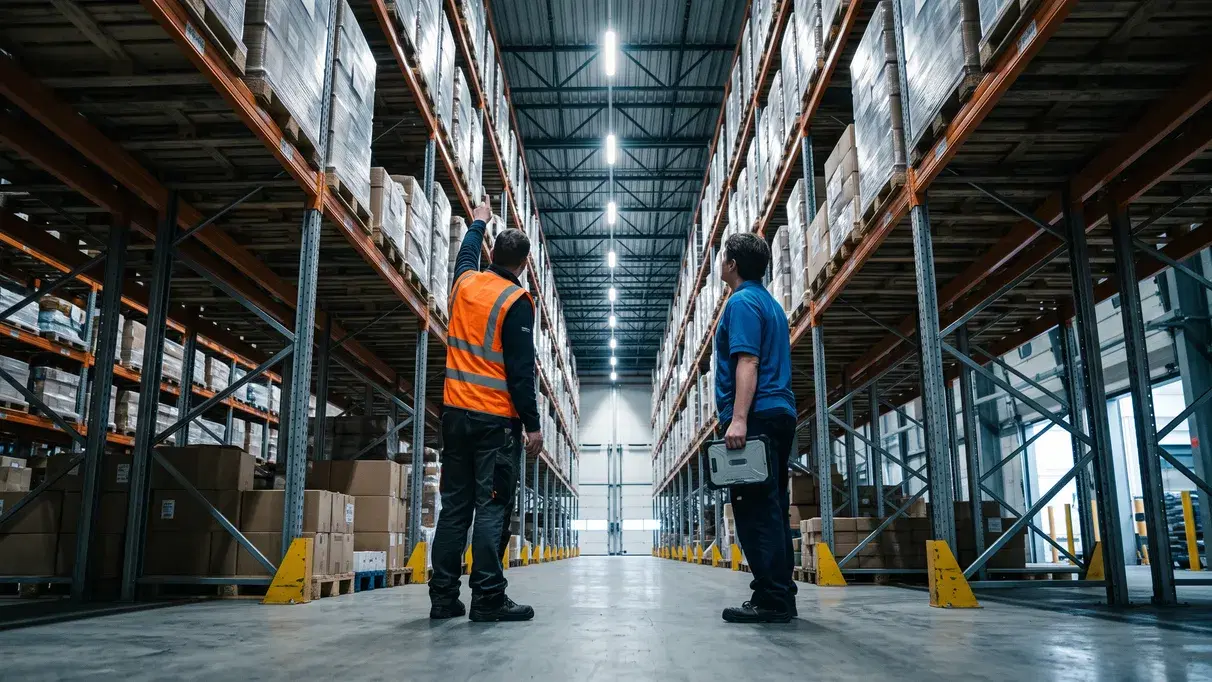
Identify the safety, productivity, maintenance, inventory or visibility challenge where connected context can create measurable value.
Discuss your operation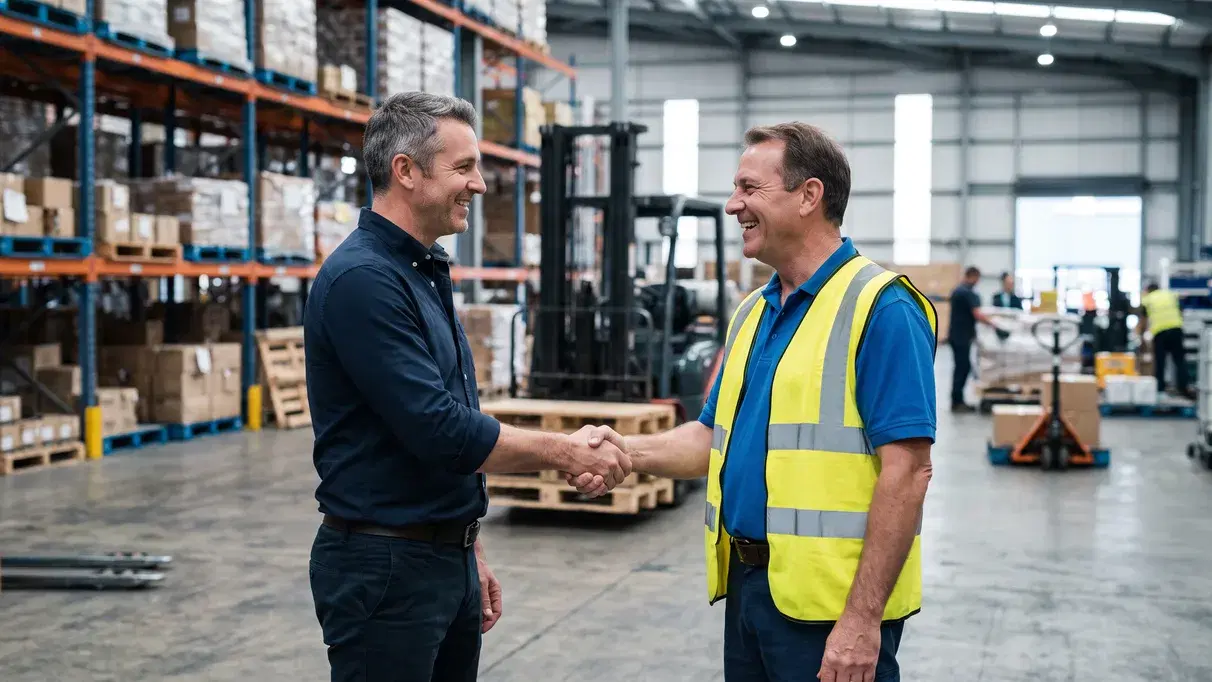
Bring complementary hardware, services, domain expertise or local delivery capability into a connected customer solution.
Explore partnershipGlobal reach
The platform is built and maintained by a single engineering team, and reaches further markets through published partner relationships.
Start the conversation
Digitise the facility. Identify the assets. Connect live data. Add the applications. Learn from the operation. Improve what happens on the ground.